Agile
Impediments, Obstacles, and Blockers
Difference between Impediments, Obstacles, and Blockers
Throughout the project, there are impediments, obstacles, and blockers that may hinder, obstruct, or completely block the progress. Such issues may prevent the project from meeting its objectives. It is important to prioritize these impediments, obstacles, and blockers, identify and implement solutions, and reassess continually to ensure that the issues are addressed.
Let's understand the difference between impediments, obstacles, and blockers.
Impediments
Impediments are situations, conditions, and actions that slow down or hinder progress.
Following are some examples of impediments:
- A team member is not trained properly to do the assigned job. Lack of training may cause the team member to take longer to complete the job or to complete it with poor quality.
- Team members having disagreement on a technical approach, leading to delays.
- The internet speed is slow leading to frequent disruption in communication with remote team members.
Obstacles
Obstacles are barriers that are movable, avoidable, or able to be overcome with some effort or strategy.
Following are some examples of obstacles:
- A project team is not able to access a software due to delay in approval of the purchase of the software license.
- A temporary power outage at the work site prevents team members from doing their job.
- A key team member meets an accident and is out of office for at least a month.
Blockers
Blockers are events or conditions that cause stoppages in the work or any further advancement.
Following are some examples of blockers:
- A new government regulation bans the import of certain raw material from Country X.
- An accident at the construction site results in stop work order from the authorities.
- A sole supplier of services suddenly goes out of business bringing the project to halt.
Which is most critical?
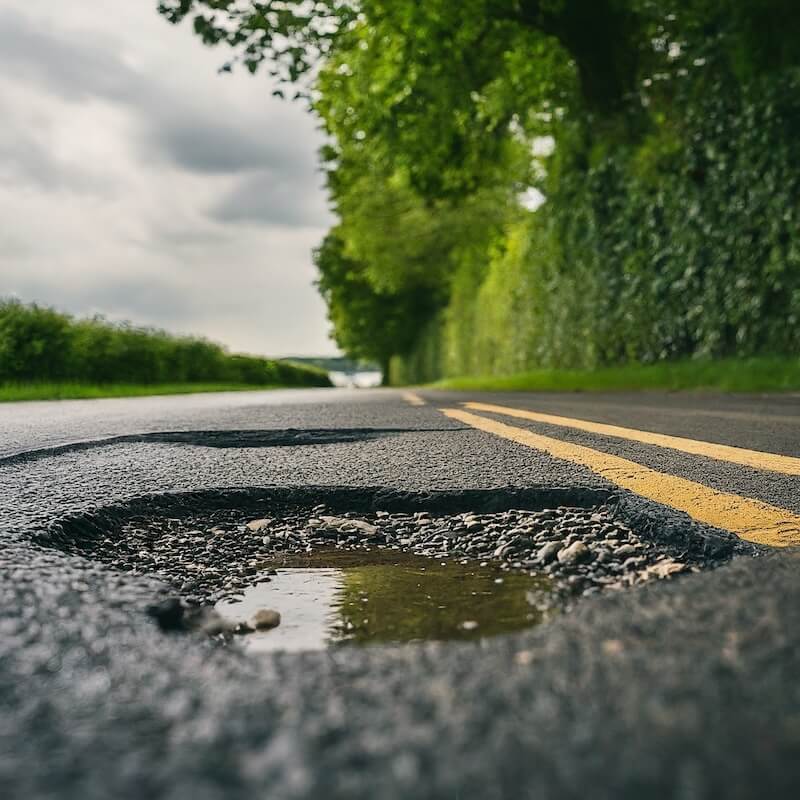
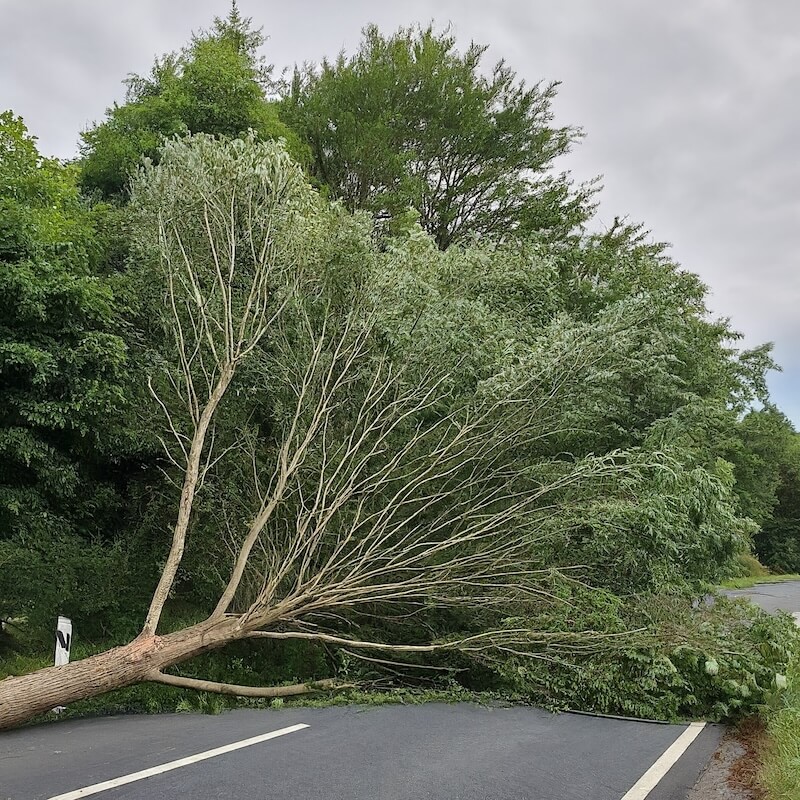
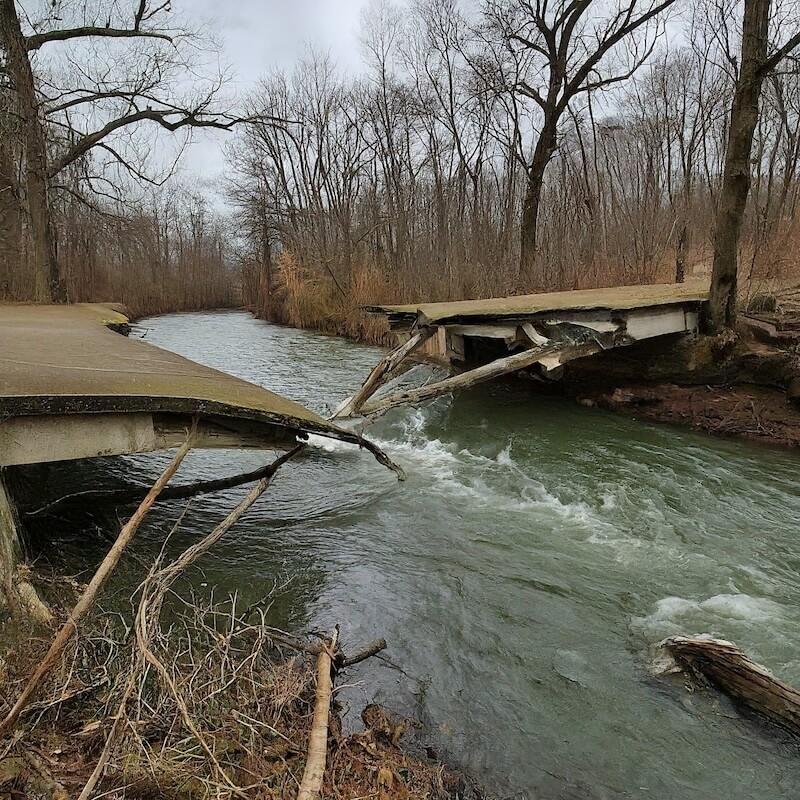
You might ask, "Which among the three - Impediments, Obstacles, and Blockers - is most critical?" It should be evident from the examples that blockers are more serious than obstacles, which are more serious than impediments. Blockers result in complete project stoppage and potentially for a long period of time. Obstacles may result in temporary stoppage but can be overcome with some effort. Impediments do not stop the project, but may slow down the team's progress.
If we were to express this visually, it would be something like this:
| Impediment | Obstacle | Blocker |
|---|---|---|
|
|
|
| A small pothole in the road, easily navigated around but causing minor inconvenience. | A large fallen tree blocking the road, requiring effort to clear or detour around. | A collapsed bridge, completely preventing passage and requiring significant repairs or alternate routes. |